Web development
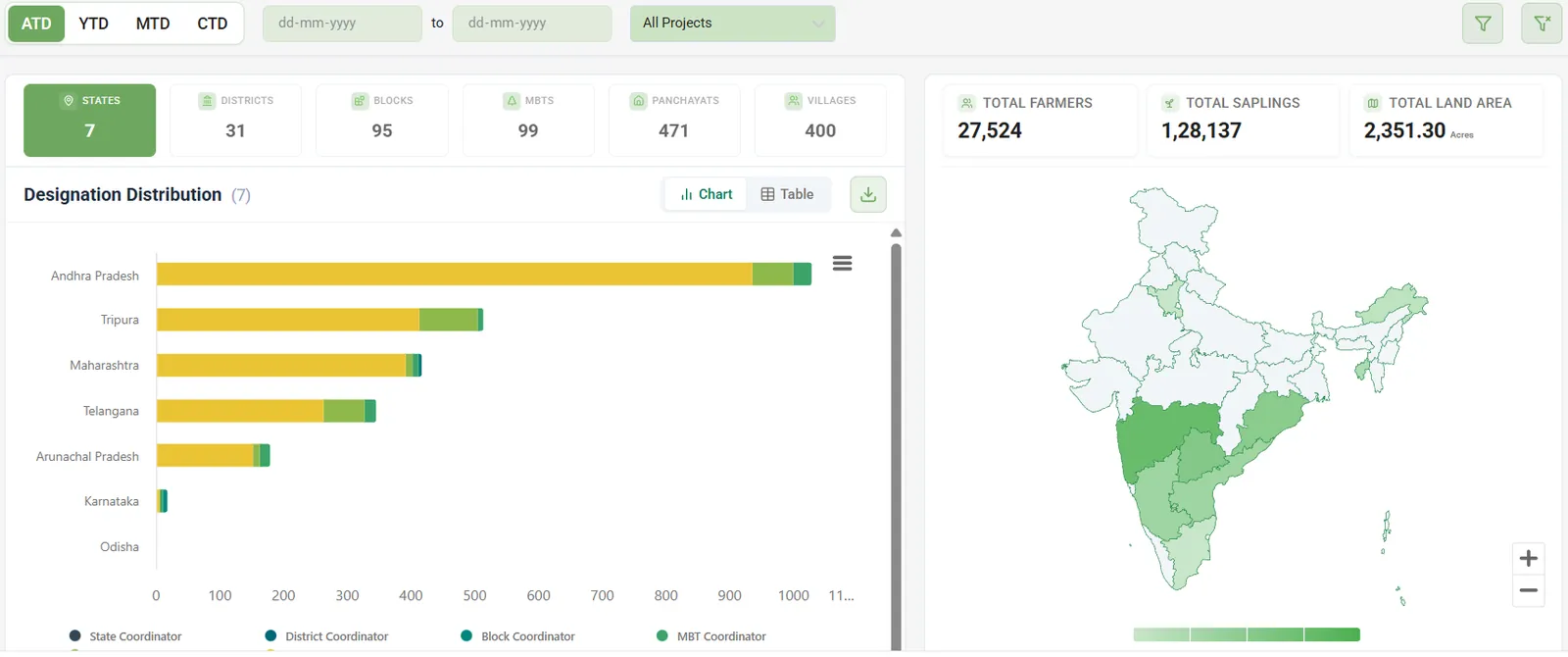
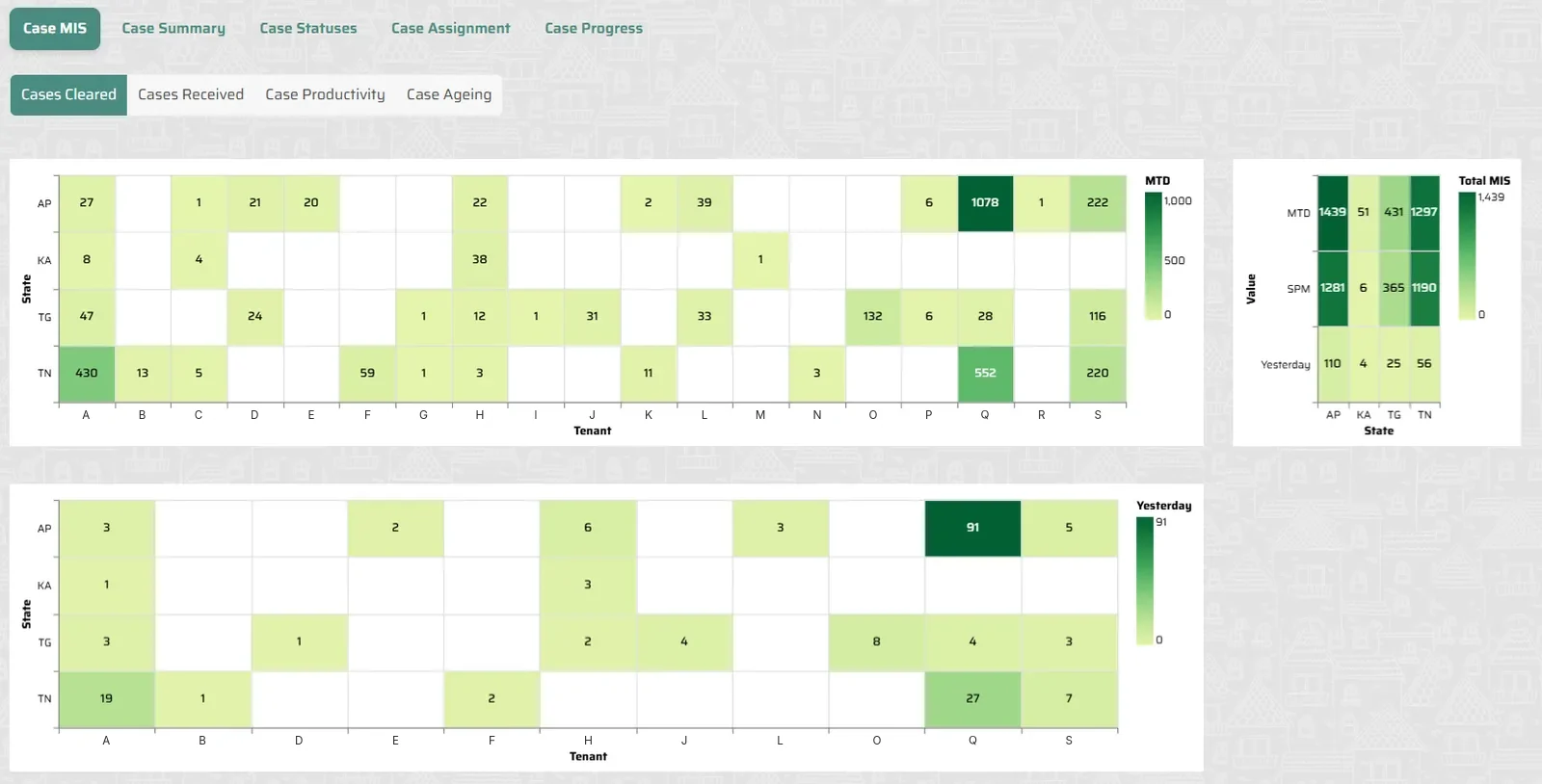
Web applications, portals and dashboards, with responsive interfaces and accessible interaction patterns.


Architecture, development and integration for the platforms your teams use every day. Built around your workflows, data and operating constraints.
For a global automotive OEM, we brought diagnosis records from four source systems into a single search, behind the client’s access rules.
Engineers can find a session without first knowing which system produced it.
Four source systems
Index & access rules
One search
Web applications, portals and dashboards, with responsive interfaces and accessible interaction patterns.
iOS and Android applications, including offline data capture, synchronisation and app-store delivery.
Platforms for business workflows, with configurable policies, approval chains and role-based access.
Cloud architecture, migration and infrastructure, with capacity, reliability and running costs considered together.
Document extraction, assistants and automation, with evaluation and human review appropriate to the task.
APIs and data flows connecting CRMs, ERPs, payments and other systems, with access rules and failure handling.
Data pipelines and dashboards that make operational information available for planning and reporting.
Repeatable processes translated into scheduled, monitored workflows with traceable results.
Technology choices informed by your existing systems, expected load and the team maintaining the platform.
Problem, users, and constraints, pinned down in writing.
Architecture and user experience developed around the requirements.
Working releases reviewed with users during development.
Functional, integration and cross-device testing against the agreed requirements.
A release plan covering migration, verification and recovery.
Monitoring, maintenance and subsequent improvements under the agreed support plan.
What it has to do, what it connects to and where the constraints are.